

News
The Brazilian Megabiodiversity and the Audiovisual
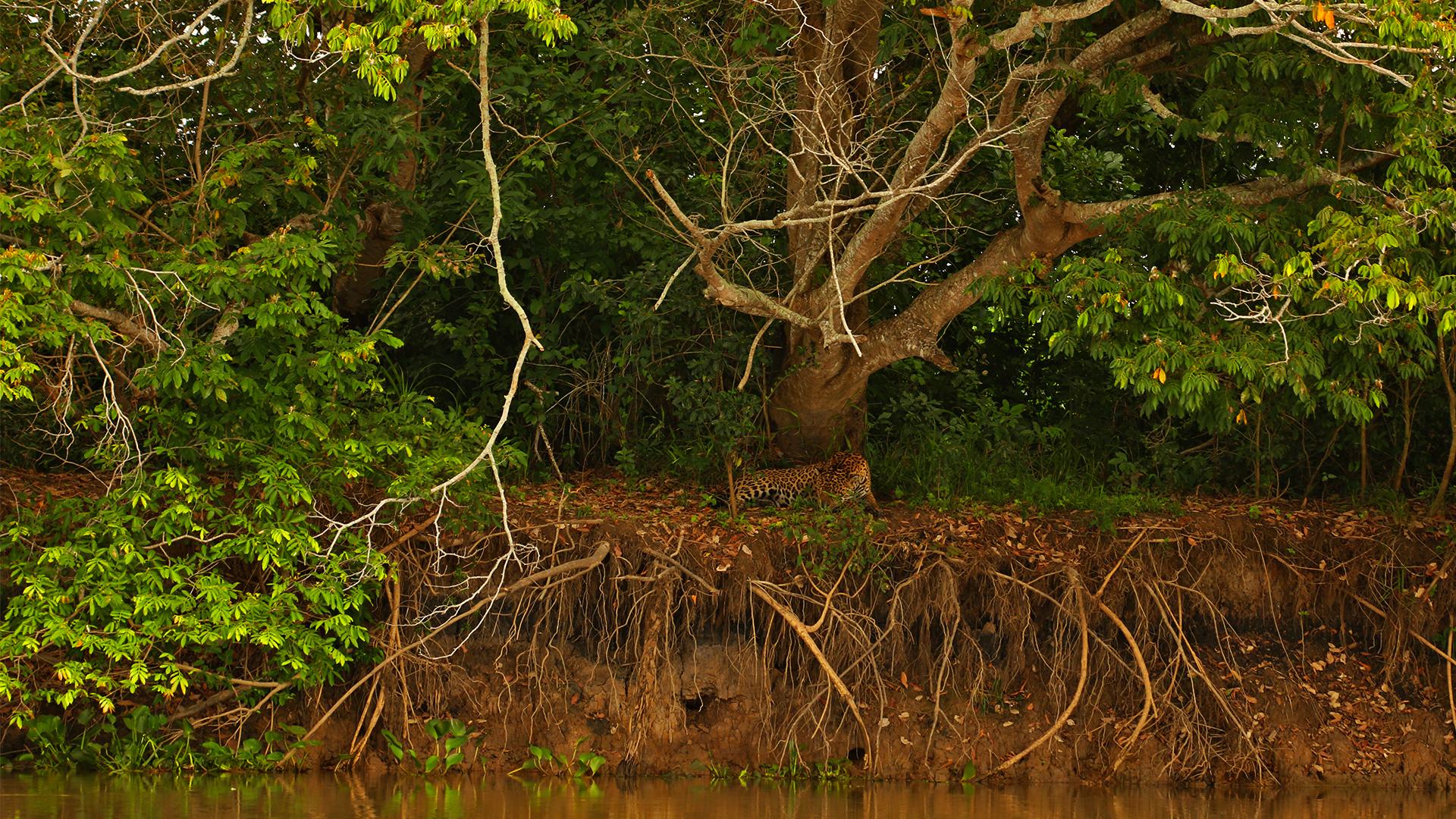
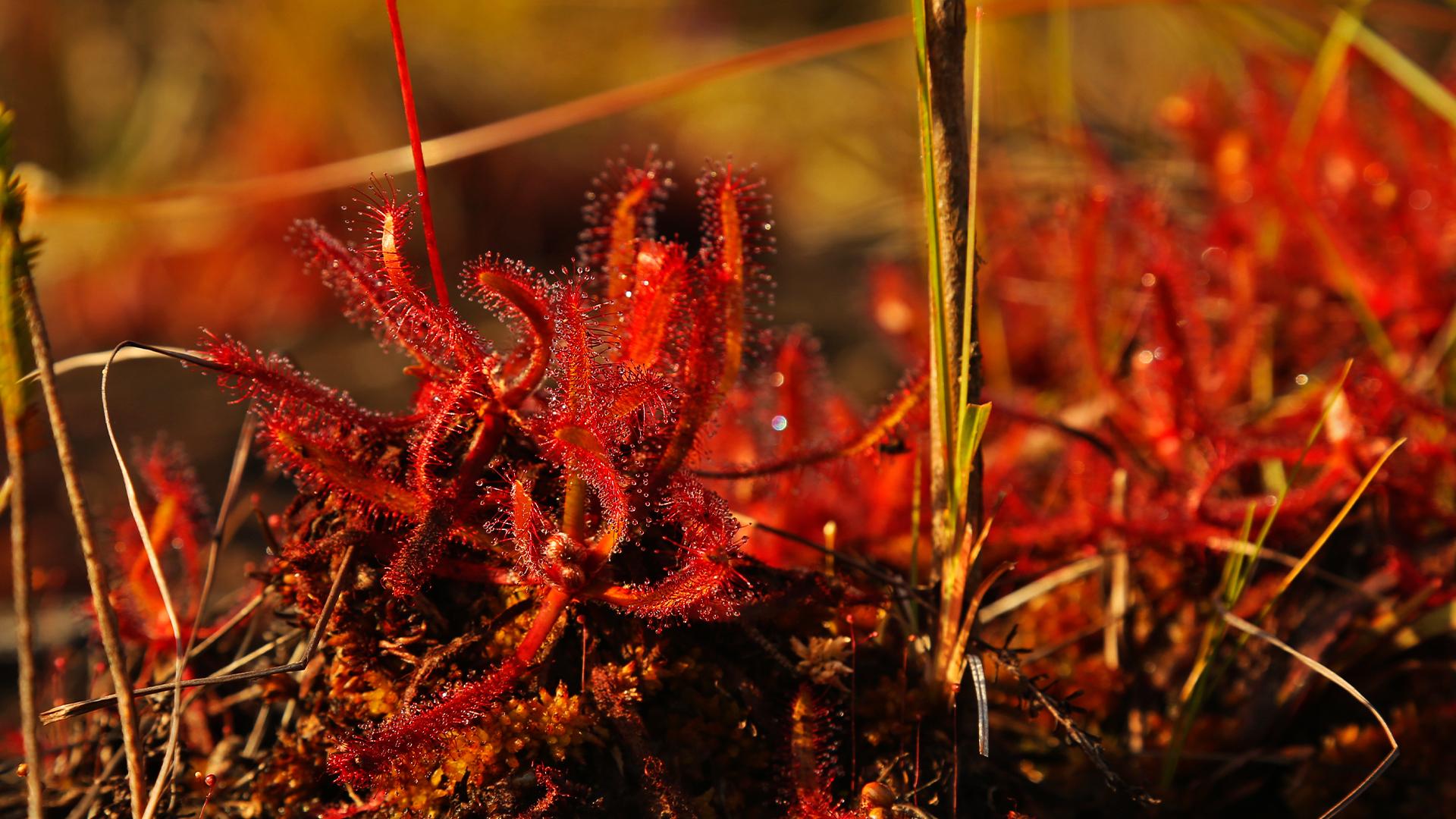
Each year, studies in different regions of the country add new species to the already extensive list of Brazilian fauna and flora. To date, 125,076 species of animal have been identified, including 775 of mammals (SBMz, 2023), 1971 of birds (CBRO, 2023), 1188 of amphibians (SBH, 2023), 850 of reptiles (SBH, 2023) and more than 90,000 insects. There are 52,109 species of plants and fungi identified (JBRJ, 2023). These numbers, which include many endemic species, place Brazil in first place among megabiodiverse countries.
The concept of megabiodiversity is based on the total number of species in a country and the degree of the endemism at the special levels and at higher taxonomic levels. In July 2000, the World Conservation Monitoring Centre recognized 17 megabiodiverse countries: Brazil, Australia, China, Colombia, Democratic Republic of Congo (DRC), Ecuador, India, Indonesia, Magagascar, Malaysia, Mexico, Papua New Guinea, Peru, Philippines, South Africa, United States of America, and Venezuela.
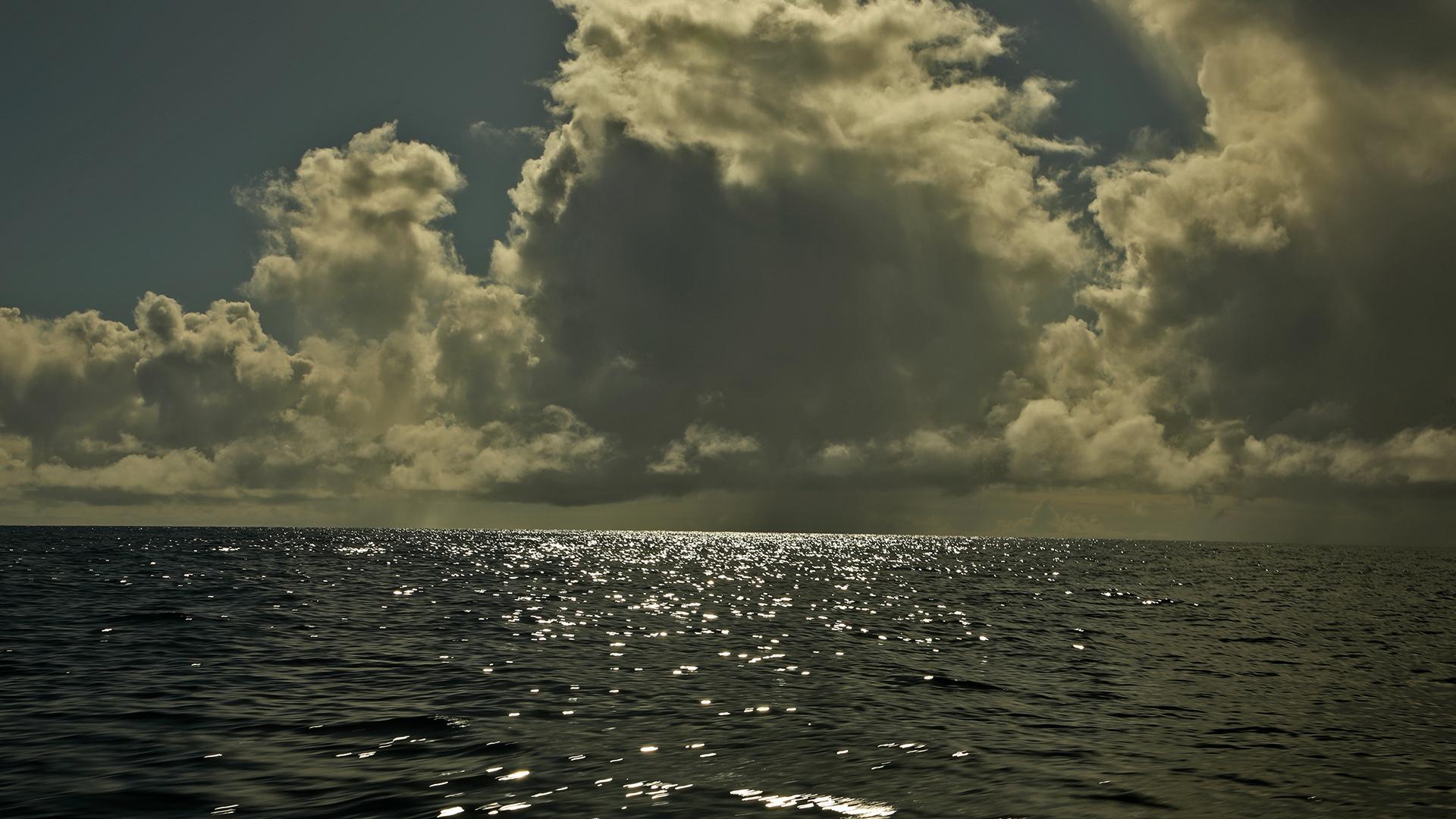
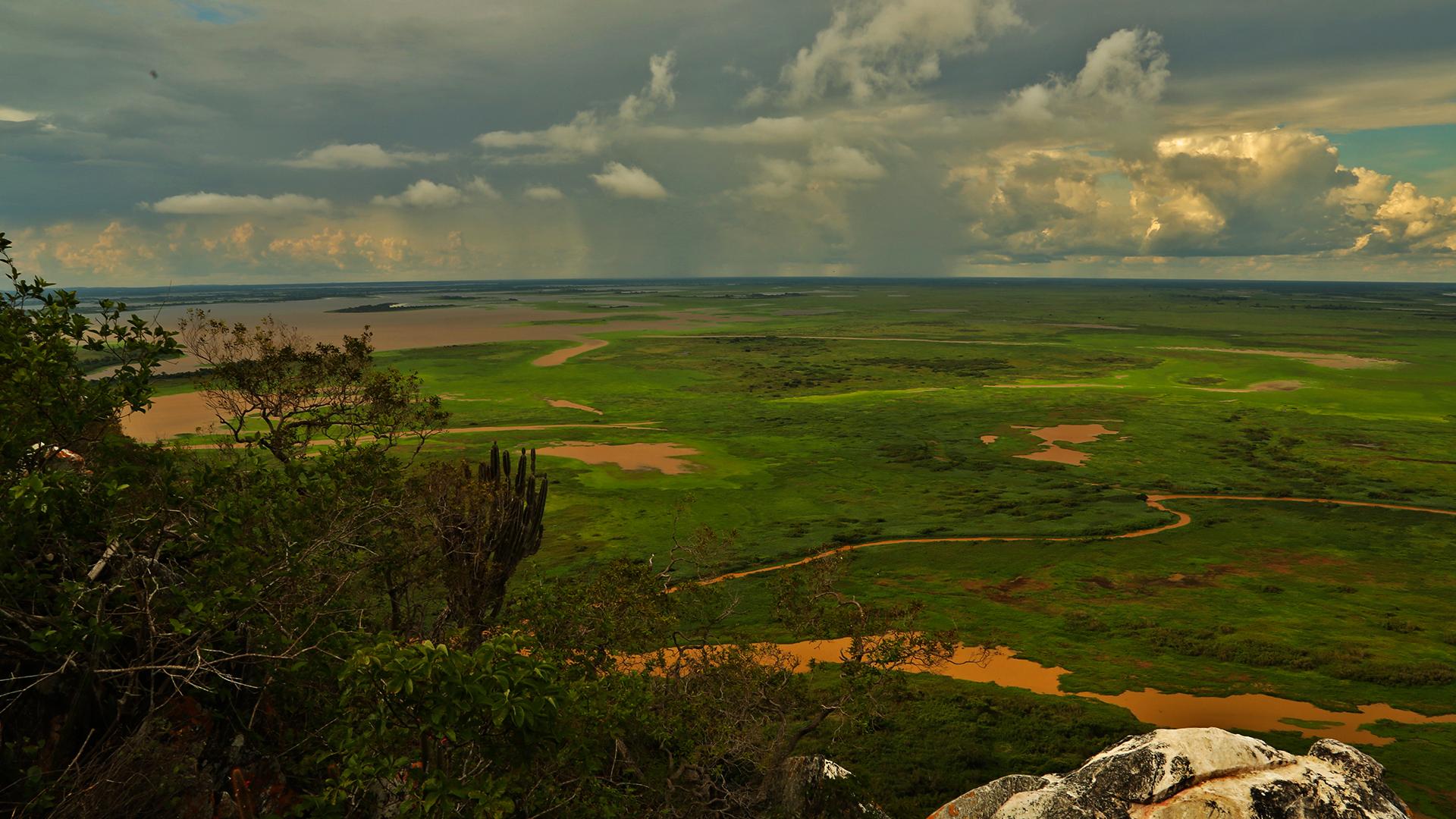
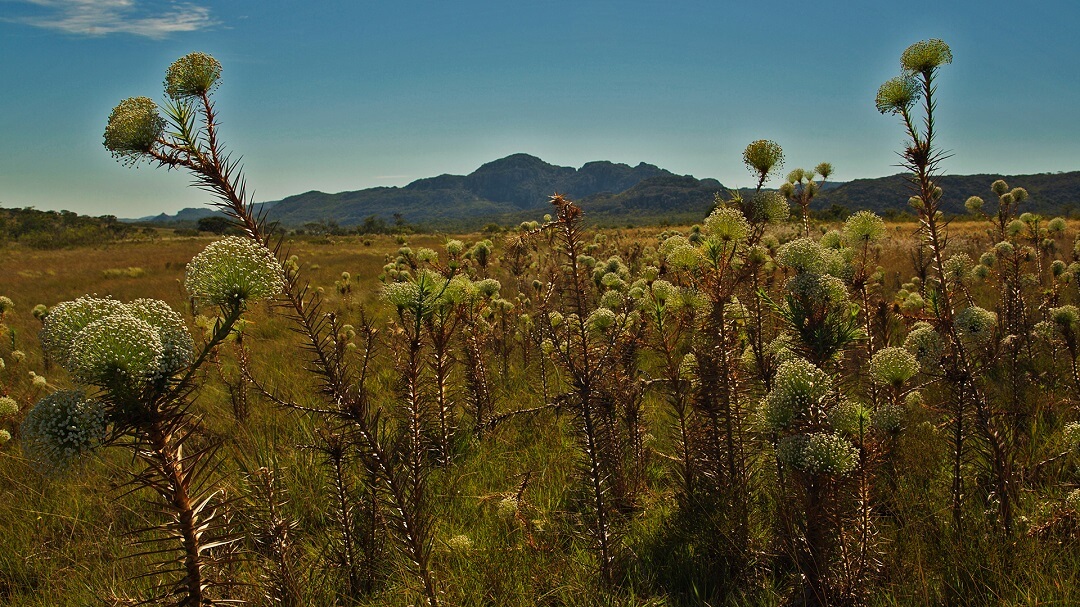
The enormous biological diversity of Brazil is due not only to its continental dimension, but mainly due to its diversity of terrestrial and marine biomes and ecosystems. It was not by chance that the Convention on Biological Diversity (CDB) was signed in Brazil during the United Nations Conference on Environment and Development, Rio 92.
Thirty-one years later, Brazil is fully resuming is environmental agenda, after the health crisis caused by Covid 19 and in the midst of a period marked by three majors systematic crises: biodiversity, Earth degradation and climate changes. All these crises are intertwined within the same process and call for actions to protect natural ecosystems and biodiversity.
One of these actions is the implementation of protected areas, mainly those of strict protection, which do not allow the direct use of the natural resources existing within their boundaries. Despite the growing institutional efforts that took place in this century, Brazil fully protects only 6,04% of its terrestrial territory and 3,31% of its marine environment (CNUC, 2023).
Faced with the challenge of promoting this enormous biological diversity and supporting actions for its conservation, the audiovisual sector emerges as one of the main instruments for this. Present through Cinema, TV, and computer screens, it gains even more space in people’s lives through cell phones.
Even so, the screen space filled by audiovisual productions of this type is still very small. Not for lack of popularity, as nature documentaries are quite popular. The Netflix series ‘Our Planet’ was one of the channel’s most watched productions in 2019. The result is repeated with other productions of the genre. Brazilian nature still appears little on the screens of the world and the country itself. It’s time to change that.
Bibliographic references:
Cadastro Nacional de Unidades de Conservação. Available in: < https://cnuc.mma.gov.br/>. Accessed on 16 jul. 2023.
Flora e Funga do Brasil. Jardim Botânico do Rio de Janeiro. Available in: <http://floradobrasil.jbrj.gov.br/>. Accessed on 15 jul. 2023
Lista de Mamíferos do Brasil. Sociedade Brasileira de Mastozoologia (SBMz). Available in <https://sbmz.org/mamiferos-do-brasil/>. Accessed on 16 jul. 2023
Lista de Aves do Brasil. Comitê Brasileiro de Registros Ornitológicos. Available in: http://www.cbro.org.br/listas/>. Accessed on 16 jul. 2023.
Lista de Répteis do Brasil. Sociedade Brasileira de Herpetologia. Available in: <https://sbherpetologia.org.br/lista-repteis-sbh-copy-copy>. Accessed on 16 jul. 2023.
Lista de Anfíbios do Brasil. Sociedade Brasileira de Herpetologia. Available in: <https://sbherpetologia.org.br/lista-anfibios-sbh-copy>. Accessed on 16 jul. 2023.
Cadastro Nacional de Unidades de Conservação. Available in: < https://cnuc.mma.gov.br/>. Accessed on 16 jul. 2023.
UN Environment Programme World Conservation Monitoring Centre (UNEP-WCMC). Available in: < https://www.unep-wcmc.org/>. Accessed on 16 jul. 2023.